Once a tree is down, the stump has two ways out of your yard. It can be ground into chips below the surface, or it can be dug out whole along with its main roots. Both work. They just suit different plans for that patch of ground.
Here’s how they compare on Upstate soil, and how to tell which one you need.
What grinding leaves behind
A grinder uses a spinning, toothed wheel to chew the stump down below grade. For lawns we grind about 6 inches below the soil by default, and deeper on request if you plan to plant there or lay pavers. Our stump grinding page covers how a typical visit runs.
What’s left is a shallow bowl of wood chips mixed with soil. The roots beyond the stump stay in the ground, where they die and rot over the following years. Most of the time nobody notices them again.
The disturbed area is barely wider than the stump. The rest of the lawn stays as it was.
What full stump removal involves
Removal means digging out the stump and its root ball. Around here, that root ball comes up packed with red clay and weighs far more than you’d guess. It has to be broken up or hauled away, and the hole it leaves can be several times the width of the stump.
That hole then needs filling and compacting in layers so it doesn’t sink later. If anything structural is going on top, your builder will want that fill done properly.
Cost and mess compared
Grinding is nearly always the cheaper option, often by a wide margin. Removal takes heavier equipment, more time, disposal of the root ball and fill to replace it.
The mess is different too. Grinding throws chips around the stump that rake up easily. Digging churns a wide area into bare clay, and the machine can leave ruts across a lawn, especially when the ground is wet. Our guide to what stump grinding costs around Seneca explains how grinding is typically priced.
When removal is worth it
Full removal makes sense when the ground has to carry weight or hold something built in:
- Footings and additions. A porch, garage or room addition needs solid, compacted soil, not decaying wood.
- Pools. The excavation for an in-ground pool needs to be free of large roots.
- Driveways and slabs. Buried wood rots and settles, which can crack concrete.
- Septic fields. If a new system or drain field is planned for the spot, your septic installer will tell you what has to come out.
If you’re not sure, ask whoever is building. Sometimes deeper grinding is enough, and sometimes only removal will do. Our full stump removal page has more on how that job runs.
Red clay and the hole
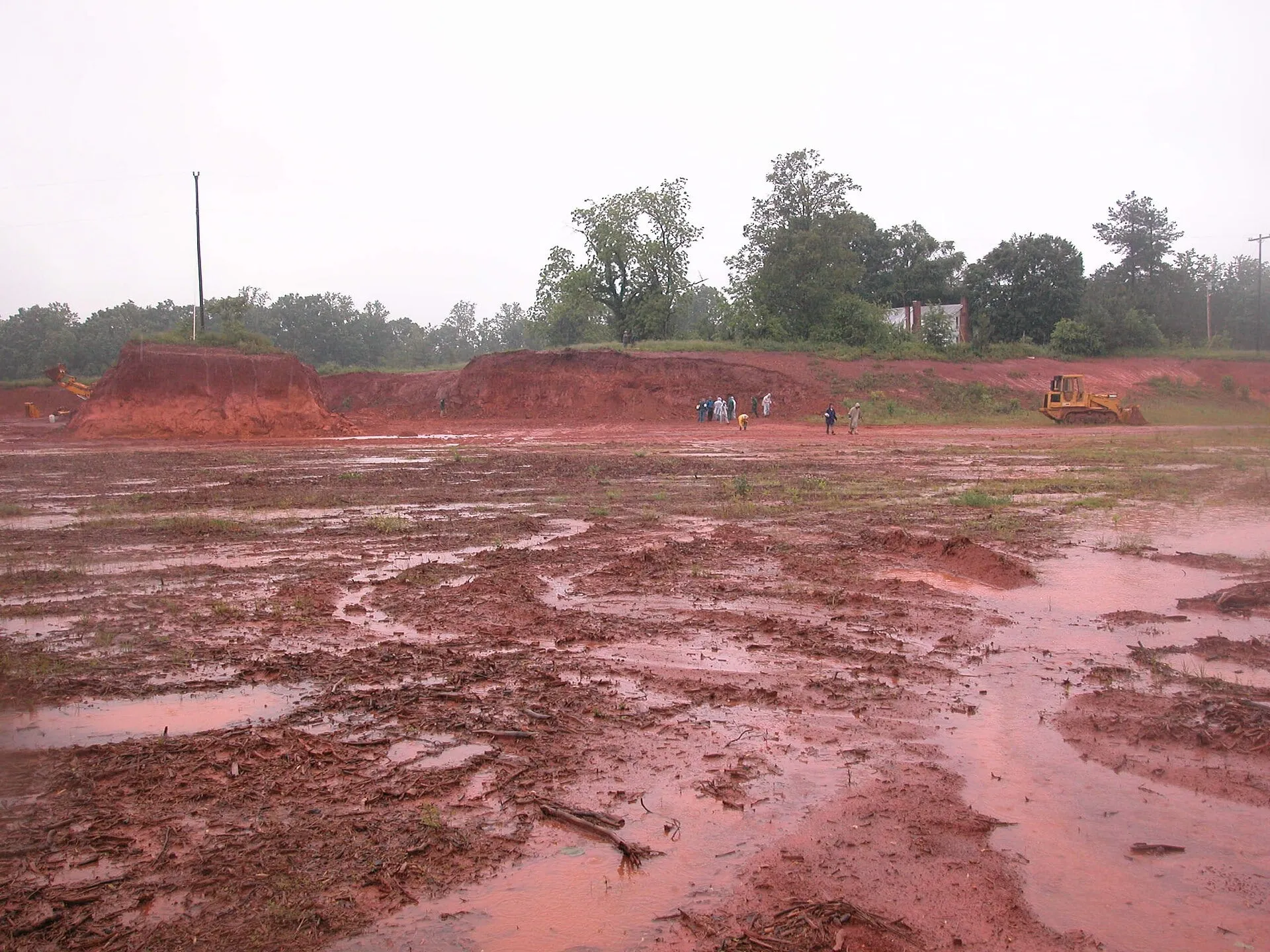
Upstate soils are largely red clay, and clay holds water. A big removal hole that sits open through a few storms can turn into a muddy pond, and clay backfill that goes in wet stays soft for a long time.
A ground stump leaves a much smaller hole that’s already full of grindings. It still settles a little as the wood and roots break down, but topping it up with soil once or twice is usually all it takes.
How long each takes
A typical yard stump can be ground in a single visit, with the grindings raked back the same day. Removal takes longer on the day, and then the fill needs time to settle before anything is built or paved on it.
If you’re working to a construction schedule, plan the stump work early so the site isn’t waiting on settled fill.
Replanting after each
After grinding, you can seed or sod over the spot once most of the fresh chips are cleared out and replaced with topsoil. Our guide on what to do after stump grinding covers timing for Upstate lawns.
For a new tree, plant a few feet to one side of the old stump rather than in the same hole. That puts the new roots in clean soil instead of among old roots and wood chips. Removal only becomes necessary for replanting if the new tree has to go in exactly the same spot.
Which one to choose
If the spot is going back to lawn, garden or mulch, grind it. If something solid is going on top, or a builder has asked for clean soil, talk about removal.
Either way, a photo and a rough measurement are enough to start. Get a quote and tell us what you plan to do with the spot.